
Best Water Tank Design With Fiberglass: A Practical Guide
Water storage systems fail for a few basic reasons: tanks corrode, crack, or contaminate the water they hold. Each failure raises costs and can disrupt supply. Fiberglass water tanks address these concerns in a single structure, combining strength with corrosion resistance and a long service life. This guide examines the design criteria that matter when choosing a tank built to perform for decades, not merely years.
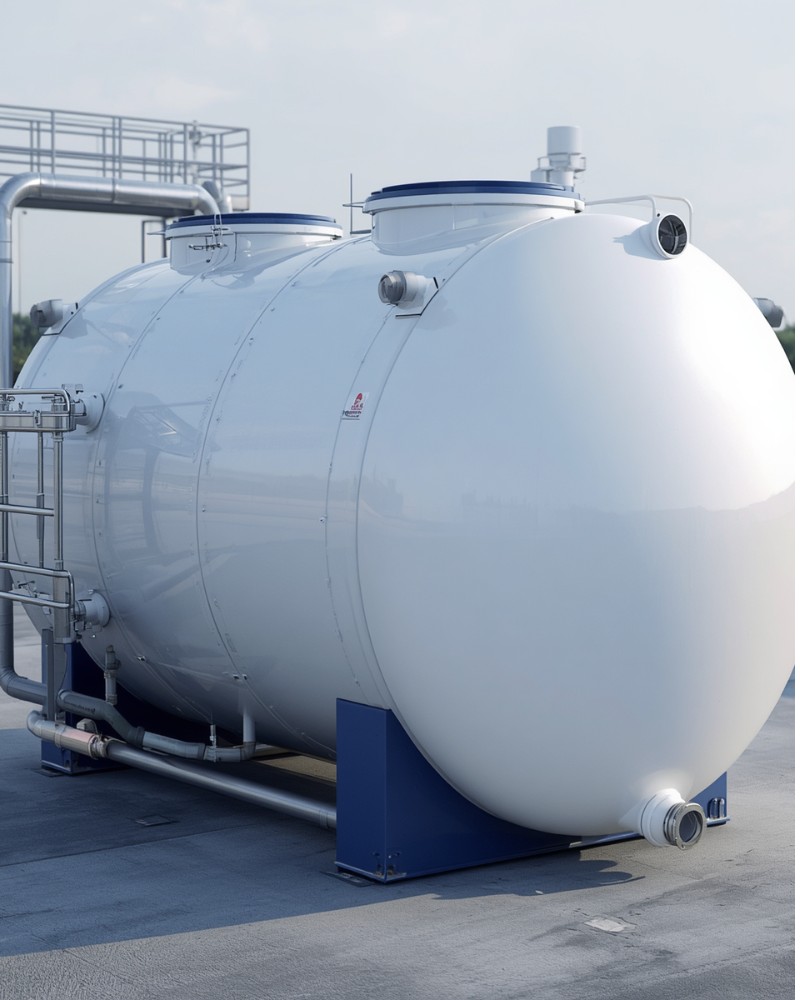
Why Fiberglass Leads in Modern Water Storage
Steel rusts and concrete develops cracks as the years pass. These issues reduce a tank’s service life and increase maintenance costs. Fiberglass water tanks avoid both failure modes because the material does not corrode when exposed to water or damp air. Fiberglass reinforced plastic, or FRP, combines glass fibers with resin. In one tank wall, it brings together the strength of glass and the flexibility of plastic, producing a durable structure that can withstand impact, pressure, and chemical attack. The material is much lighter than steel or concrete, which can reduce the cost of transporting and installing the tank. As a result, an FRP water tank works for small residential sites as well as large industrial water-storage projects
.
Core Design Criteria for the Best Water Tank Design With Fiberglass
A sound design begins with clearly defined requirements. Each criterion below influences the tank’s service life and its ability to withstand load
Material Strength and Wall Thickness
The tank wall supports all the water held inside. When it is too thin, pressure causes it to flex, and cracks may eventually form. Engineers determine the required thickness from the tank’s height, diameter, and stored volume. The most effective fiberglass water tank design relies on layers. Continuous glass fibers are wound around the tank’s shell and bonded with resin, allowing stress to distribute across the wall rather than collect at weak spots. Thicker walls near the base withstand the greater pressure that accumulates at the bottom of a full tank. With the wall profile designed correctly, the tank is less likely to bulge and can last longer.
.
Corrosion Resistance
In metal systems, corrosion is the main reason tanks fail. Rust weakens the wall, allows contaminants to leak into the water, and leads to early replacement. A fiberglass water tank resists corrosion, eliminating that risk. Its resin surface remains unreactive to water, salts, and common treatment chemicals, so the tank can hold treated water, wastewater, or industrial fluids without deteriorating. For potable water storage, manufacturers install a food-grade inner liner to keep the water clean and prevent the structure from transferring any taste or odor.
Shape and Capacity Planning
A tank’s shape determines how efficiently it withstands pressure. Cylindrical and spherical designs spread stress evenly, which explains why most fiberglass tanks are rounded. Capacity planning means sizing the tank for actual demand. A tank that is too high costs more and can leave water sitting unused; one that is too small may run dry during periods of peak use. Start with daily consumption and add a reserve margin of 20 to 30 percent.
Vertical cylindrical tanks work well where floor space is limited, but storage volume needs are high.
Horizontal cylindrical tanks are suited to underground water tank installations and transport applications. Rectangular tanks fit confined areas in which a round tank would waste space. Choosing the right shape and capacity helps balance cost with performance. If you want to renew your pool, then please pool renovation service in suadi arabia
Environmental and Installation Factors
A tank can perform only as well as its installation permits. The site conditions determine which design will hold up over time.
UV Resistance for Outdoor Tanks
Prolonged sunlight damages many plastics. Without treatment, a surface may chalk, fade, and lose strength after years of exposure. For a fiberglass water tank, the strongest design includes an outer layer with UV stabilizers. That coating blocks ultraviolet rays and shields the resin beneath it. Even in constant direct sunlight, an overhead water tank can therefore remain strong. For tanks kept above ground, a light-colored gel coat helps limit heat gain, keeping the stored water cooler and slowing algae growth.
Underground and Overhead Installation
How the tank is installed determines how it responds to external loads. Buried underground, it is pressed by soil and groundwater from every side, so the walls may need ribs or a thicker shell to prevent collapse. An overhead water tank rests on a raised platform, sending water downward by gravity. The structure has to be designed for wind loads as well as stress on the support frame, while secure anchoring keeps it from shifting in storms.
In both cases, the site needs proper preparation. The tank should sit on a level, compacted base so its weight is distributed evenly and cracks do not develop from an uneven load.
Hygiene, Maintenance, and Lifespan
A storage system that contaminates its water fails at the very purpose it was built to serve. Its design shapes both water quality and the maintenance it requires.
Hygiene and Potable Water Storage
Smooth interior surfaces help prevent bacterial buildup. In the best fiberglass water tank designs, a non-porous inner wall leaves little room for dirt or biofilm to adhere. Sealed lids and screened vents keep out insects, dust, and debris, helping protect stored potable water for drinking without the need for constant treatment. The tank should also be made from certified food-grade resin to meet health standards. Before using it for drinking water, check that it carries this rating.
Low Maintenance and Long Service Life
Metal tanks require regular painting and rust treatment. Fiberglass tanks, by contrast, need little maintenance and require neither. Owners only need to inspect them once or twice a year, cleaning the interior when necessary. The tank costs less to operate over its lifetime. A well-built FRP water tank commonly lasts 25 to 30 years, while many steel units last 10 to 15 years. That longer service life means fewer repairs and lower expenses. Although a fiberglass tank may cost more initially, it often costs less than a metal tank over two decades.
Cost-Effectiveness Over the Full Lifespan
The purchase price is only part of the expense. Installation, maintenance, and replacement all contribute to the tank’s total cost over its entire life. Fiberglass tanks cost more initially than plastic ones, but they last for years longer and do not incur the corrosion-related costs associated with steel. As a result, their total cost of ownership remains low. Lightweight construction lowers installation costs: a single crew can place a large FRP tank without heavy lifting equipment. The benefit is even greater at remote or difficult-to-reach sites. In industrial water storage, fiberglass makes an even stronger financial case. Its chemical resistance and durability limit downtime, helping protect production output.
Conclusion
A good fiberglass water tank combines strength, resistance to corrosion, sensible capacity planning, and minimal maintenance in a storage system built to last. It does not rust, helps shield water from UV damage, protects water quality, and generally lasts much longer than metal or plastic alternatives. Whether the need is for an underground tank, an overhead tank, or industrial-scale water storage, a properly designed fiberglass system provides dependable, cost-efficient performance. For more details about fiberglass tanks, visit a detailed guide to fiberglass cold water storage tanks